
Leading Products For Tree Trimmings To Enhance Your Garden Projects
Discover essential tools and accessories designed to make tree trimming safer, easier, and more efficient for every gardener.
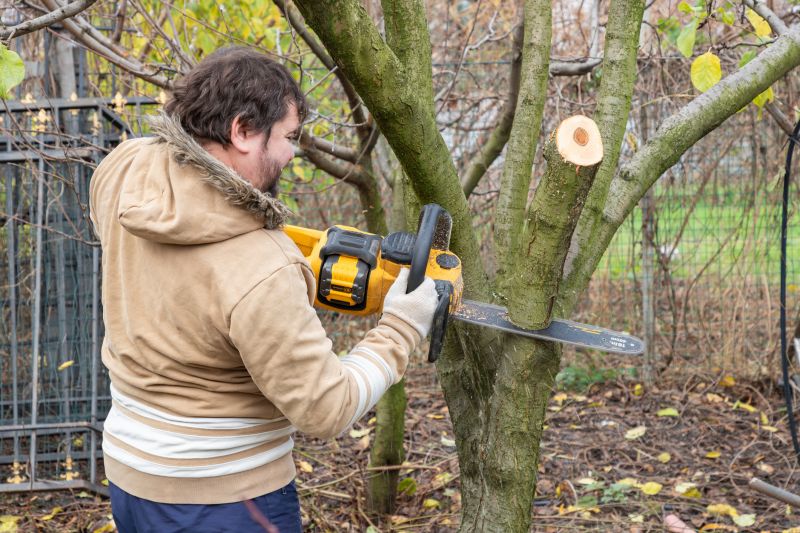 Tree trimmings are an essential part of maintaining healthy and attractive trees, whether for aesthetic purposes or safety concerns. Proper trimming can help promote healthy growth, remove dead or diseased branches, and shape the tree to better suit its environment. For homeowners and landscapers in Charlotte, NC, selecting the right products for tree trimmings ensures that trimming tasks are efficient, safe, and effective. From handheld tools to larger equipment, there are numerous options designed to meet different needs and preferences.
Top Overall Option
Multi-Function Tree Trimming Kit
A comprehensive set that includes a variety of hand tools, extendable pruners, and safety gear, designed to accommodate different trimming needs. Its versatility makes it suitable for both detailed pruning and larger limb removal, offering a balanced combination of functionality and convenience.
Types of Products For Tree Trimmings
Hand Pruners
Compact tools designed for precise cutting of small branches and stems, ideal for detailed pruning tasks.
Lopping Shears
Long-handled scissors that provide increased leverage for trimming larger branches with ease.
Pole Pruners
Extendable tools that allow reaching high branches without a ladder, suitable for pruning tall trees.
Chainsaws
Powerful equipment for cutting through thick limbs and trunk sections, available in electric or gas-powered models.
Hand Saws
Manual saws used for medium-sized branches and detailed cuts in tight spaces.
Tree Climbing Gear
Harnesses, spikes, and ropes designed for safe tree access during extensive trimming or removal tasks.
Safety Gloves
Protective gloves to shield hands from cuts, splinters, and abrasions during trimming.
Protective Helmets
Headgear with visors to safeguard against falling debris and accidental tool slips.
Safety Goggles
Eye protection to prevent injury from flying wood chips and dust.
Tree Debris Bags
Heavy-duty bags or containers for collecting and disposing of trimmed branches and leaves.
Extension Cords
Power cords designed for electric chainsaws and pole pruners to extend reach and mobility.
Abrasive Grit Blades
Specialized blades for smoothing rough cuts and preparing wood surfaces.
Pruning Saw Blades
Replacement blades for manual or powered pruning saws, ensuring continued performance.
Tree Limb Rippers
Tools designed to detach large branches with minimal effort, often used in conjunction with other trimming tools.
Support Stands
Sturdy stands or supports for safely holding branches during cutting.
Measuring Tape
Essential for assessing branch sizes and planning cuts accurately.
Popular Choices
Popular for reaching high branches without the need for ladders, offering convenience and safety.
Favored for their ease of use and reduced noise compared to gas models, suitable for various trimming tasks.
Widely used for their precision and simplicity, ideal for small branches and detailed work.
Commonly recommended for protection during vigorous trimming activities.
Popular for keeping yards tidy by collecting trimmed branches efficiently.
Often chosen for added protection during large trimming projects or tree removals.
Growing in popularity due to portability and ease of operation.
Trusted for their reliability and control in precise pruning tasks.
Preferred for their leverage and ability to trim larger branches from the ground.
Essential equipment for professional arborists and serious DIY enthusiasts.
Used for finishing cuts and smoothing rough edges after trimming.
Commonly used to extend the reach of electric trimming equipment.
Popular for safely controlling large branches during removal.
Frequently used to plan cuts and ensure proper branch sizes.
Helpful for lifting and maneuvering heavy branches safely.
Complete sets that include gloves, goggles, helmets, and other protective gear.
Understanding the variety of products available can help you choose the best tools for your specific trees and yard conditions. Hand pruners and loppers are ideal for smaller branches and detailed work, while pole saws and chainsaws can handle larger limbs and more substantial trimming tasks. Additionally, safety gear such as gloves, helmets, and eye protection are vital for ensuring safe operation during trimming activities. Investing in quality tools can make regular tree maintenance more manageable and less labor-intensive.
In Charlotte's diverse landscape, where trees range from ornamental varieties to mature oaks and pines, having the right trimming products can make a significant difference in the health and appearance of your trees. Properly trimmed trees not only enhance curb appeal but can also prevent potential hazards caused by falling branches. Whether you're a seasoned arborist or a homeowner tackling seasonal pruning, selecting the appropriate tools and accessories is a key step toward successful tree maintenance.
Key Buying Considerations
- Type of branches you plan to trim: small, medium, or large limbs require different tools.
- Tree height and accessibility: taller trees may need extendable tools or climbing gear.
- Power source preference: manual, electric, or gas-powered equipment each offers distinct advantages.
- Frequency of trimming: occasional DIY projects versus regular maintenance may influence tool choice.
- Safety features: look for tools with safety locks, guards, and ergonomic designs.
- Ease of use and comfort: lightweight and well-balanced tools reduce fatigue during extended use.
- Durability and build quality: investing in sturdy materials ensures longevity and safety.
- Storage and portability: consider how easy it is to store and transport your tools.
- Budget constraints: balance between quality features and affordability.
- Compatibility with other tools: modular or multi-use tools can enhance versatility.
- Noise levels: electric tools tend to be quieter than gas-powered options.
- Maintenance requirements: choose tools that are easy to clean and maintain.
- Availability of replacement parts: ensure easy access to blades, batteries, and other components.
- Environmental conditions: consider weather resistance if tools will be used outdoors year-round.
- Local regulations or safety standards: ensure tools meet relevant safety certifications.
This page contains affiliate links. We may earn a commission from qualifying purchases, which helps support our content and recommendations.